

Wellness-Exam
Wellness Exam
What to Expect During a Wellness Exam
Why Wellness Exams Matter
Personalized Care
Frequently Ask Questions
To the untrained eye, a wellness exam may appear to be a mere formality. However, it plays a crucial part in determining the health of your pet after many years to come. It offers the veterinarian the opportunity to address any of its medical needs and to keep its vaccinations updated. At Dry Creek Veterinary Center your veterinarian in Roseville, CA, we believe it is better to prevent that to react. We consider wellness exam to be a form of preventative medicine.
What Happens during a Wellness Exam?
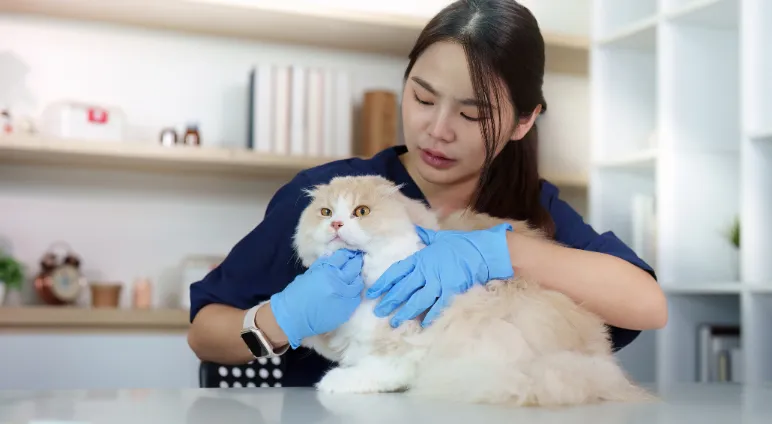
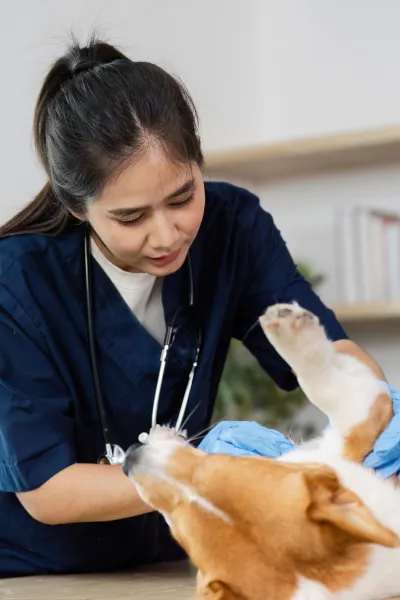
A wellness exam begins with a complete physical examination. The vet may check any of the following:
- Weight & body fat percentage
- Heart rate & respiratory rate
- Skin, fur, and ears
- Teeth & gums
- Eyes & vision
We may also discuss your pet's eating and energy levels, urination and defecation, and all other concerning issues in your home environment. Depending on the vet's guidance there may be blood tests, stool tests, and other tests that may be necessary to evaluate the issues more thoroughly.
How Often Should My Pet Get a Wellness Exam?
For most cats and dogs, it is best to start with one per year. If it is a senior pet, or one with chronic health conditions, then it may be more frequent, at every six months. Puppies, kittens, and newly adopted pets may need multiple visits to monitor growth and development, complete vaccinations, and establish a health plan.
Are Vaccines Included in a Wellness Exam?
Vaccinations are sometimes included with a wellness exam, and if a pet is due to get some, we are able to do it during a trip to the vet. We do unto other pets as we would want done to us with regard to preventative and therapeutic treatment. Some pets will need to be vaccinated against core and non-core diseases.
What If My Pet Seems Completely Healthy?
Animals are great at hiding health problems, so it is better to come in when there are no obvious health problems. Regular check-ups help veterinarians identify different health problems and how they are related. It also helps to adjust pet's diet, level of exercise, and how to prevent health problems in the future.
What Should I Bring to the Exam?
If it is a first appointment, or if your pet has received treatment at other clinics, it is helpful to bring some records. It's helpful to bring a list of current medications and dietary supplements.