

Pets Dental Care
Pet Dental Care
Why Pet Dental Care is Important
What to Expect During a Dental Exam
Preparations for the dental cleaning
Before the Dental Cleaning
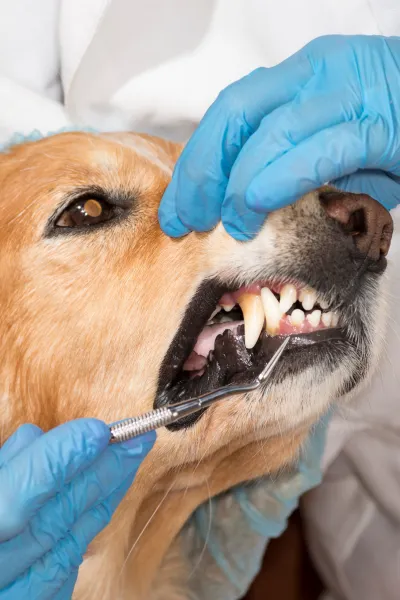
With the help of our veterinary specialists, the cleaning, polishing, and scaling process can occur safely and effectively with the use of general anesthesia. As the anesthesia is being monitored, our veterinary staff is able to safely de-scale and de-tarter the teeth both above and below the gums. This process, combined with anesthesia, allows us to take full mouth dental x-rays and observe any underlying problems, like abscessed teeth or bone loss, that may not be visible to the naked eye. Polishing is the final step in the cleaning process and serves to smooth the surface of the teeth to minimize the accumulation of plaque.
What Can Be Done After the Procedure?
Post-surgery observations are always done before the patient leaves the facility. The staff observe the patient's vital signs and level of comfort during the waking process from anesthesia, and when the patient is stable and safe, the staff are able to provide you with specific instructions regarding the patient’s care. These instructions may include a change in diet, pain relief medications, and antibiotics if an infection was present during the cleaning.
Aftercare and Recovery
After the procedure, your pet is closely observed as the anesthesia wears off. Our staff at Dry Creek Veterinary Center monitor vital and comfort levels, and when your companion is ready to go home, detailed instructions for care are given. Follow‑up care may include modified eating routines, pain management, or antibiotics if there was an existing infection, and instructions help guide you through the first hours after the dental appointment.
The Value of Regular Dental Care
A first dental cleaning sets the stage for ongoing preventive care that supports comfort, appetite, and overall quality of life for your pet. To learn more or schedule your pet’s dental cleaning, call our office at (279) 236-1013. Scheduling regular dental care helps safeguard your companion’s oral health and contributes to lifelong wellbeing.
Anesthesia and Monitoring
In order to safely work on teeth above and below the gums, our dentist uses general anesthesia on all the animals because they cannot stay still and the dentist needs to do all the cleaning without putting the animal under any stress. While the dentist works, your pet's heart rate, breathing, and blood oxygen and pressure levels, are monitored to ensure their safety.
Scaling and Polishing
As soon as the dentist ensures that the pet's vital signs are stable, they begin the cleaning process, which is called scaling. Our dentist cleans above and below the gums to keep areas free of bacteria and to prevent inflammation, gingivitis, or serious gum disease. After scaling, the dentist polishes the teeth to minimize the buildup of plaque.
Post-Cleaning Care
The pet is slowly brought out of anesthesia and the pet is monitored during the entire recovery period. The staff examine the pet's activity, breathing, and comfort, and when they determine that the pet is stable, the post-op instructions are conveyed to the owner. The owner is also instructed on the pet to prevent chewing that might cause pain, to feed the pet soft food, and to take the pet's medication.
Supporting Oral Health at Home
The effects of a professional cleaning are enhanced with at-home dental brushing and using a pet-safe toothpaste. It is also proven to be effective at reducing plaque formation. A pet will enjoy their healthy teeth and gums longer when at-home dental care is done in conjunction with veterinary dental cleaning. For more information or to schedule an appointment, please contact us at (279) 236-1013. Your cat or dog will be able to enjoy periodontal disease prevention and maintenance, and fresh breath along with good overall health.
Frequently Ask Questions
Many pet owners are diligent about their pet’s nutrition, exercise, and medical care. But, dental health is just as important, and seems to be the most neglected part of a dog’s or cat’s health care routine. At Dry Creek Veterinary Center in Roseville, CA, we understand that a pet’s dental health is vitally important, and many have questions about it. Issues with a pet’s teeth and gums can go unnoticed until eating becomes painful or there are changes in the pet’s behavior or the infection spreads to vital organs. Below are some of the most frequently asked questions we receive.
Why Is Pet Dental Care Important?
Most people believe that bad breath is the most serious consequence of poor dental health in pets. However, it is much more serious, and in fact very dangerous. If dental disease is present, there are many other serious health problems that can arise. For instance, an infection of the gums can lead to the loss of teeth and create a pocket of bacteria that can enter the bloodstream. Once in the bloodstream, the bacteria can infect the heart, kidneys, or liver, and then a simple dental problem becomes a serious health issue.
The maintenance of healthy teeth and gums may help avoid:
- Persistent discomfort
- Loss of teeth and bones
- Tertiary infections
- Behavioral issues due to the pain
How Do I Know If My Pet Has Dental Problems?
Unfortunately, pets can’t communicate about the pain and unfortunately, the pain signs are not very clear. Signs of dental disease include:
- Persistent foul mouth odor
- Increased saliva and drooling
- Mouth and face pawing
- Gum inflammation and redness
- Teeth stains of yellow and brow
- Reluctance to chew or change of eating habits
When Is It Time for My Pet To Get Their Teeth Cleaned Again?
In most cases, we recommend yearly professional dental cleaning, however, this may change after considering the pet’s health status, age, and specific breed. Certain breeds of small dogs are known to develop dental diseases and thus, require cleaning more frequently.
At Dry Creek Veterinary Center your pet’s cleaning is done with their comfort and safety in mind, so it is done under anesthesia. This also allows us to clean below the gum line and to give a thorough assessment of all of the teeth.
Can I Brush My Pet’s Teeth at Home?
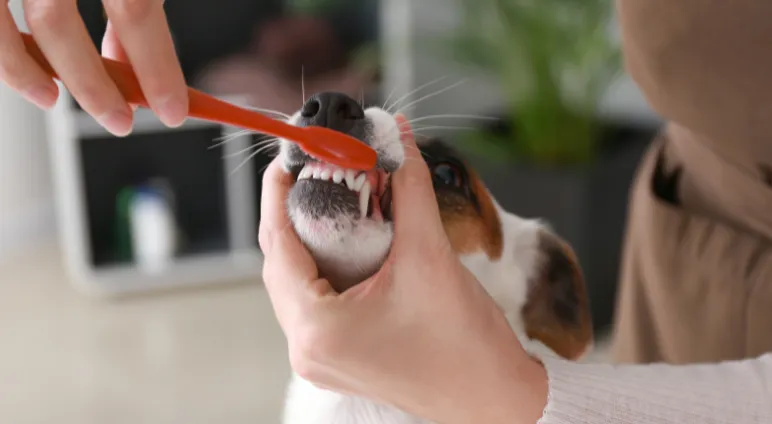
Yes — and it helps a lot. Brushing a few times a week can reduce tartar buildup and inflammation. Use a pet-safe toothpaste (never human toothpaste) and a soft-bristled toothbrush or finger brush. Start slow and make it part of the routine. If brushing isn’t an option, dental treats or water additives can provide partial support.
What If My Pet Already Has Dental Disease?
The sooner we see the better . About treatment it can be a matter of deep cleaning , extractions and/or about if there are antibiotics involved. After that's done we will have to figure out a plan to keep the good health of the teeth